Loading...
Please wait while we load the content...

Loading...
Please wait while we load the content...
University of Cape Town, South Africa

Using networked learning to connect Africa and the world
By: Kristian D. Stewart, Siddique Motala, Anisa Vahed, Krista M. Rodriguez, Fábio de Souza, Lindy Osborne Burton, Mark Olweny, Steven Feast, Nicola Pallitt, Hannah M. Grossman, Alice Barlow-Zambodla, Neil Kramm, Leah Sikoyo, Nompilo Tshuma, Antonia Liguori, Daniel Onyango, Melaneia Warwick, Michael Wilson, Mark Dunford, Maha Bali, Tabisa Mayisela, Eunice Ndeto Ivala, Daniela Gachago, Faiq Waghid, Juhong Christie Liu, Sonja Strydom, Simone Titus, Cheryl Brown, Proscovia Namubiru Ssentamu, Emily Bagarukayo-Ngabirano, Rehema Baguma, Rowan Thompson, Jolanda Morkel, Lone Poulsen, Rodney Harber, Nokukhanya Noqiniselo Jili, Mfundo Mandla Masuku, Dina Mashiyane, Pauline Ngimwa, Connie Nshemereirwe, and Busisiwe Alant
There has been a recent surge of interest in the concept of co-teaching and co-research across institutions of HE locally and globally, as a response to limited international mobility due to COVID-19. We see co-teaching and co-research as teaching and research that connects educators and learners across different institutions and different contexts, be it across South Africa, Africa or the world. Co-teaching and co-research is linked in this book to the term ‘networked learning’, following the Networked Learning Editorial Collective’s emphasis on relationships and collaboration rather than technology and foregrounding our strong commitment to social justice. Our collective experiences have shown that co-teaching and co-research are not easy endeavours, especially when they involve differently positioned and differently resourced contexts, students and academics. While these collaborations are enriching and exciting, they need careful support, preparation and time for sustained relationship building – topics that we find are not necessarily discussed in the literature around co-teaching and co-research. This book is an attempt towards closing this gap in knowledge by providing a range of chapters documenting personal experiences of academics and practitioners engaging in co-teaching and co-research across the African continent and beyond, facilitated by various networked learning tools and technologies. Framed by a spirit of sharing and connection, the book provides insights into the benefits and challenges of such collaborations, affordances of technologies to bridge unequal divides, emerging practices of continental collaboration and beyond. Additionally, the book provides an unusually honest and nuanced view on co-teaching and co-research across contexts of inequalities, foregrounding relationship- and community-building rather than technology and emphasising the importance of sustained connection and reflection in these collaborations. Applying a wide range of critical theoretical frameworks, these evidence-based but also reflective and reflexive contributions are a unique and important reminder that behind and through our screens, we connect as humans who yearn to learn from each other, but also need to learn how to learn from each other, when we do not share the same world views.
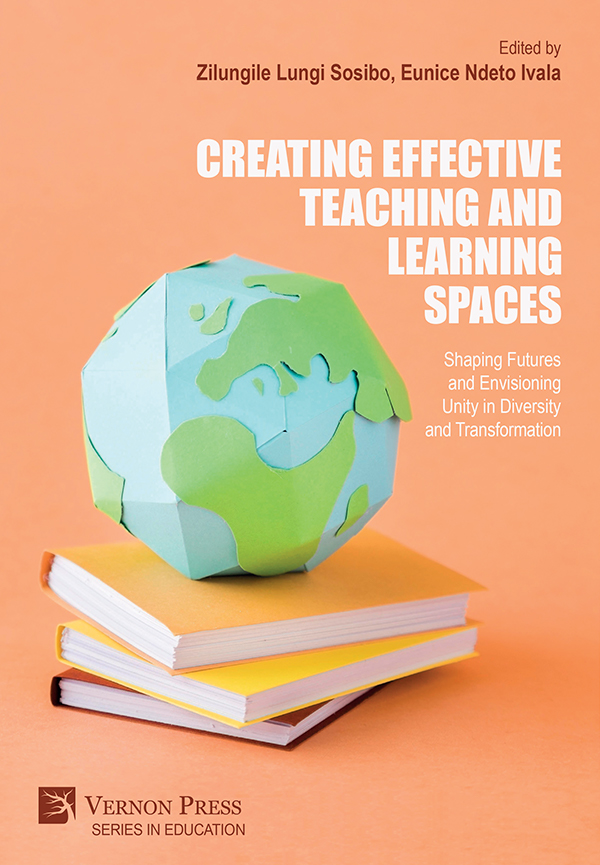
By: Izak Van Zyl, Daniela Gachago, Addisalem Tebikew Yallew, Ntokozo Lwandle, Thembinkosi Mtonjeni, Siyabulela Sabata, Lynne Johns, Patrício Langa, Zilungile Lungi Sosibo, Nosipho Mbatha, Sekitla Daniel Makhasane, Selloane Pitikoe, Sadhana Manik, Berrington Ntombela, Nomakhaya Mashiyi, Nomalungelo Ngubane, Faiq Waghid, Florah Moleko Teane, Fredua Kwasi-Agyeman, Patrick Swanzy, Subethra Pather, Emmanuel Esambe, Nosisana Mkonto, Vusi Msiza, Thabile Zondi, Mlamuli Nkosingphile Hlatshwayo, and Mothofela Richard Msimanga
Higher education in post-apartheid South Africa was always likely to attract academic interest, and yet there remains a dearth of research on creating teaching and learning spaces suitable for students from diverse backgrounds. Using examples from higher education institutions across the Southern African Developing Community (SADC) region, this volume explores the ways teaching and learning spaces are being used to advance the transformation agenda of higher education in these regions, and provides concrete recommendations for the future. The book is sure to appeal to academics from a variety of disciplines - from African, African American and ethnic studies to education and sociology. It will be of particular interest to teacher trainers, administrators and policy-makers working in higher education, and anyone else with a stake in managing cultural diversity in education.
