Loading...
Please wait while we load the content...

Loading...
Please wait while we load the content...
Georgetown University
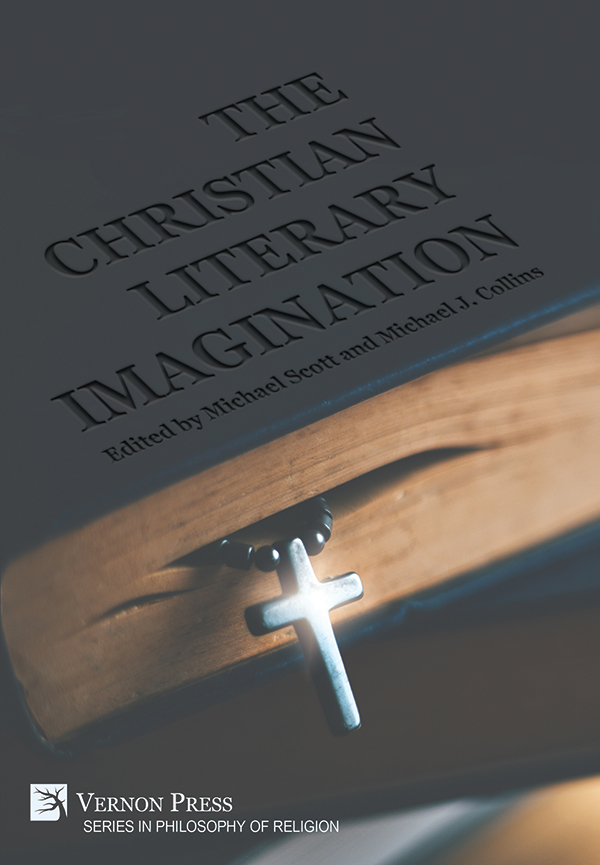
By: Rachel Cresswell, Julia Lamm, Francis J. Ambrosio, John Hirsh, Peter Davidson, Bridget Keegan, Clare Broome Saunders, John Pfordresher, Graham Ward, Jane Stevenson, Hester Jones, Mark Bosco, Jasmine Jones, Timothy Radcliffe, John Drakakis, Elizabeth Schafer, Rowan Williams, Clare Asquith, Michael Scott, Michael J. Collins, Bárbara Mujica, Joseph Simmons, Paul Edmondson, and Molly Clark
What is the Christian literary imagination? That question was put to the writers who have contributed to this collection of essays. They were asked, in answering it, to choose and write about a work of literature that seemed to them to illustrate one of the varied ways in which the Christian imagination sees the world, to define by example the meaning of the term. A variety of beliefs (or indeed unbeliefs) are expressed by the contributors and authors they selected to discuss. But what the essays have in common is an inquiry into the nature of belief and the means by which the reader’s imagination can itself be stirred through the work of the author under discussion. The book is structured chronologically, with essays on literature ranging from Anglo-Saxon England to 21st-Century America, but the contributors show a freedom of movement and reference across the centuries in their essays, sometimes deliberately juxtaposing the historical with the contemporary. What emerges from the collection is a shared inquiry into the enduring Christian vision of God’s engagement with the world.
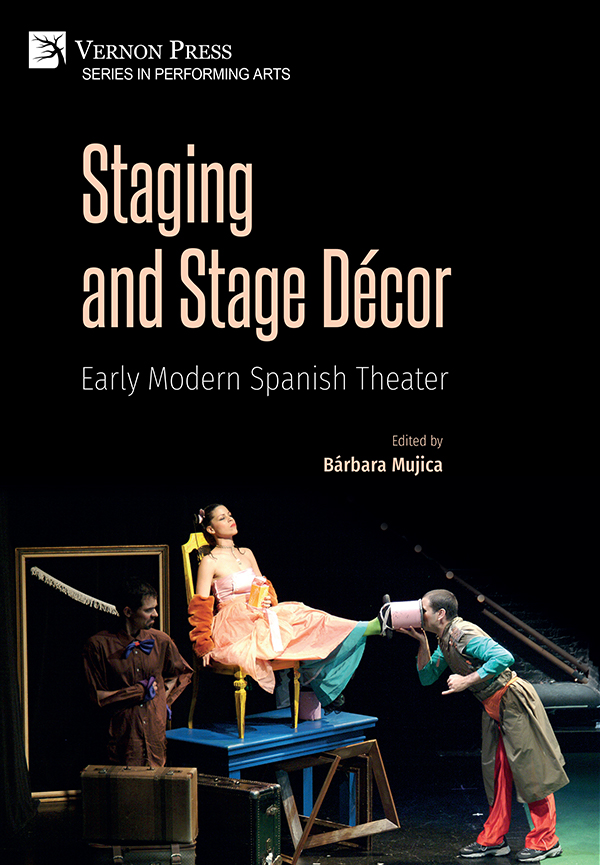
By: Eduardo Paredes Ocampo, Susan Paun de García, Edward H. Friedman, Sharon D. Voros, Yoel Castillo Botello, Dale J. Pratt, Valerie Hegstrom, Susan L. Fischer, Elizabeth Cruz Petersen, Mindy Badía, Iñaki Pérez-Ibáñez, Megan M. Echevarría, Christopher D. Gascón, Esther Fernández, Esther Fernández, Bárbara Mujica, and Emily C. Tobey
This is the first book on staging and stage décor to focus specifically on early modern Spanish theater, from the 16th to the early 20th centuries. The introduction provides an overview of Spanish theater design from the 16th century, with particular attention to the corral theater and Lope de Vega. The scope of the book is vast. Some of the articles deal with early modern stagings, while others deal with contemporary productions. The collection contains articles by an international array of specialists on topics such as scenography and costuming, lighting, and performance space. It also broaches little-studied areas such as the use of alternative performance spaces, most notably prisons. The book provides in-depth analyses of particular archetypes - the melancholiac, the queen, the astrologer - and how they were, and are, staged. The focus on performance and performance space, costuming, set design, lighting, and audience seating make this a truly unique volume. This book is designed for students of Spanish literature and theater, researchers interested in theater history and early modern Spain, as well as theater professionals.