Loading...
Please wait while we load the content...

Loading...
Please wait while we load the content...
University of Free State, South Africa
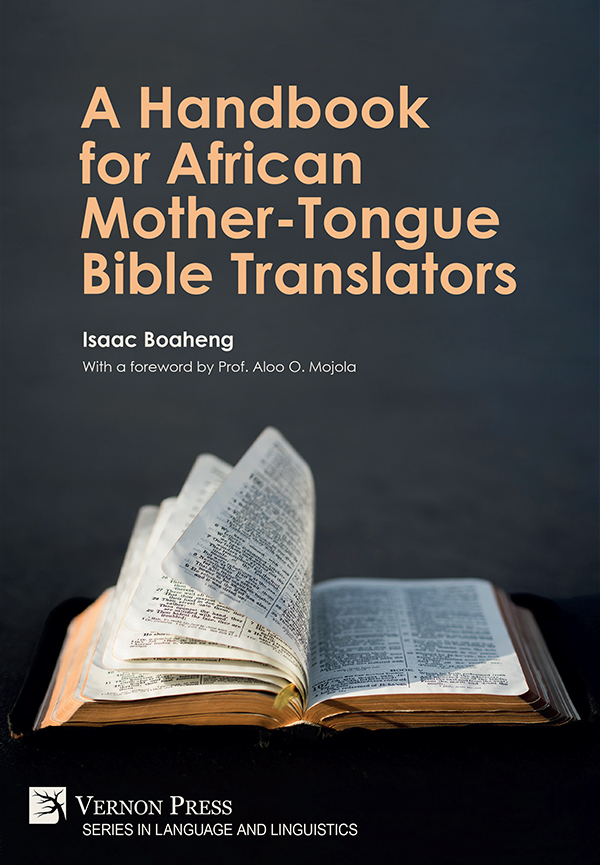
By: Isaac Boaheng
‘A Handbook for African Mother-Tongue Bible Translators’ examines key theoretical and practical issues to equip readers with the basic skills required to translate the Bible naturally, accurately, faithfully and clearly into their mother tongues. Since accurate translation enhances the interpretation and application of Scripture, the book will also improve the hermeneutical ability of the reader. The book is divided into two parts: the first part deals with theoretical issues related to Bible translation in general (with the African context in focus), and the second focuses on the key practical matters in translation. This text will appeal to undergraduate and graduate seminary students and students of translation studies at private and public universities in Africa and beyond; Bible translators and consultants will also find the text useful.
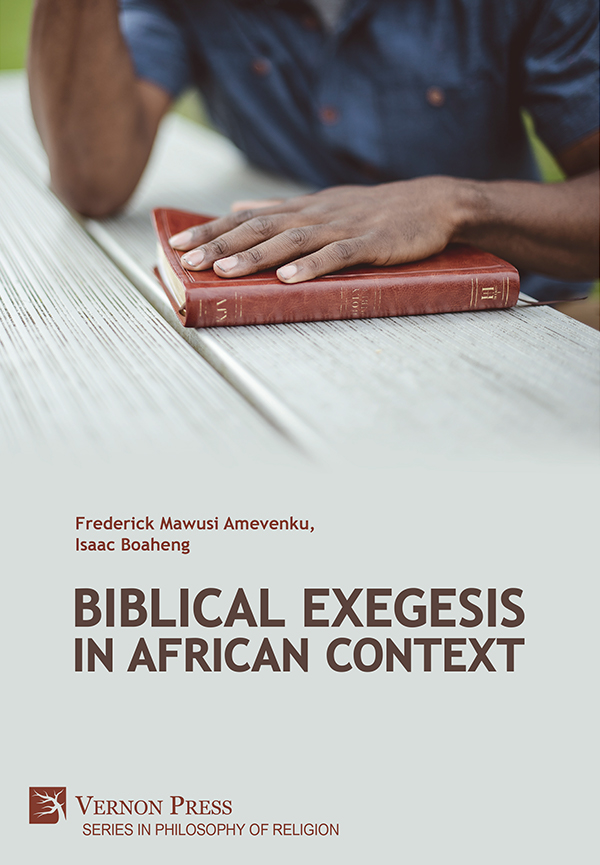
By: Frederick Mawusi Amevenku and Isaac Boaheng
‘Biblical Exegesis in African Context’ explores how the Church in Africa can affirm its uniqueness in terms of the African identity and experiences, and at the same time, remain faithful to the gospel message. The volume begins with an explanation of exegesis and hermeneutics, and the agenda for the rest of the book is set. The second chapter deals with textual criticism, which is the task of determining the originality of a biblical text. In chapter three, issues related to the context of the text are considered, after which the volume proceeds to examine the various literary forms present in the Bible— prominent among them being— Narrative, Law, Poetry, Prophecy, Wisdom Literature, Gospels, Acts of the Apostles, Epistles and Revelation. The authors then dedicate the next chapter to discussions on socio-rhetorical interpretation. The final chapters of the book deal with matters solely related to the context of Africa; this part intends to equip readers to be able to interpret the Bible from African cultural perspectives and then apply the gospel message meaningfully to the life of African Christians. Chapter seven deals with the emergence and historical development of African Biblical Studies (ABS), noting its relevance and how Africans can benefit from it. The main contention of the chapter is that Africans will better understand and apply God’s word to their lives if they read the Scriptures in an African way. The volume then explores how African languages can be used to derive the meaning of scripture and apply it to real-life situations. Here, the authors contribute to the development of MTBH by developing a methodological framework for this interpretative tool. The next chapter of the volume deals with mother-tongue theologizing in Ghana. The final chapter considers the legitimacy of female leadership in the Church within the African context through the examination of two Pauline texts. This volume will be of interest to undergraduate and graduate seminary students, students of Biblical Interpretation in religions departments, as well as practicing pastors.