Loading...
Please wait while we load the content...

Loading...
Please wait while we load the content...
Stay informed about our latest publications, calls for proposals, author news, events, and special announcements.
Join our community of scholars, librarians, authors, and readers and receive the latest updates from Vernon Press directly in your inbox.

Availability
In stock
ISBN
9781648896958
Edition
1
Publication Date
October 12, 2023
Physical Size
236mm x 160mm
Number of Pages
166
Currency
Quantity
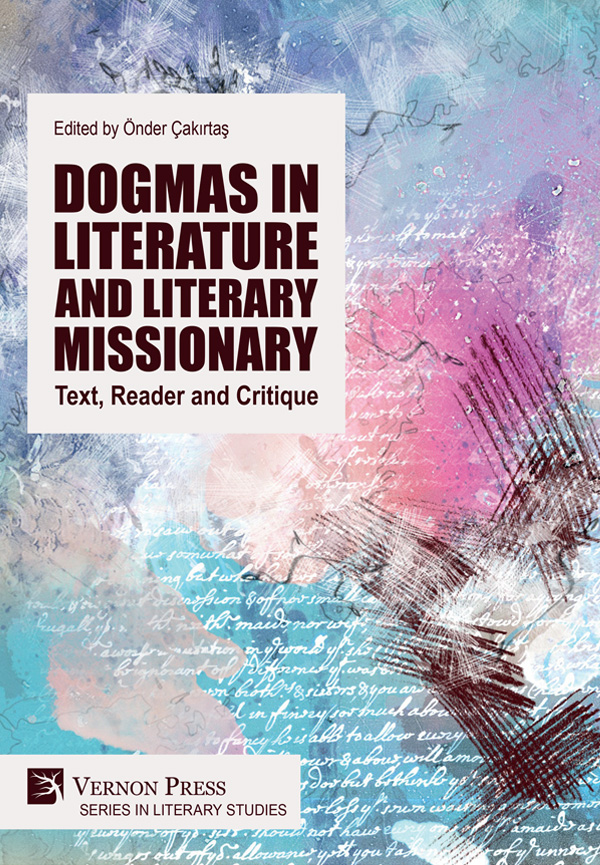
Literature does have an aspect that drags the readers, habitually burying them in its pages and blindly attaching them to itself. Blind devotion stems from the factors that are effective in determining the readers' faith. Theories of literature, similarly, might bring about the generation of blind adherence and dogmatic approaches. This book explores the existence of dogma in literature and some cult texts and writers and how dogmas in literature are conveyed to various audiences as a mission by some literary readers, experts, and academics. Generally, dogma is a word related mostly to religion. In this frame, Mathew Arnold's 'Dogma in Religion and Literature' is of great importance as far as religion is concerned. However, there are dogmas in every field, literature being no exception. Virginia Woolf, for instance, wrote stupendous works that turned out to be well-known, and in 1928, she delivered a lecture at Cambridge University, where women were once not allowed, that formed the basis for the celebrated 'A Room of One's Own' (1929). Roland Barthes' 1967 'La mort de l'auteur' ('The Death of the Author') essay might be another text that some of its literary readers have developed a dogmatic commitment to. In addition to revealing how dogma finds its place in literature, this book also discusses how literary writers and readers often unwittingly embrace 'literary missionary.' Focusing on the dogmatic elements of literature and the dogmatized literary theory and criticism through cult works of various authors, the book offers a striking and interesting contribution to literary theory and criticism and literature readings.
Discover books that expand on the themes explored in this work—titles that engage with similar questions, intersecting disciplines, and complementary perspectives to deepen understanding and broaden the conversation.
Browse all titles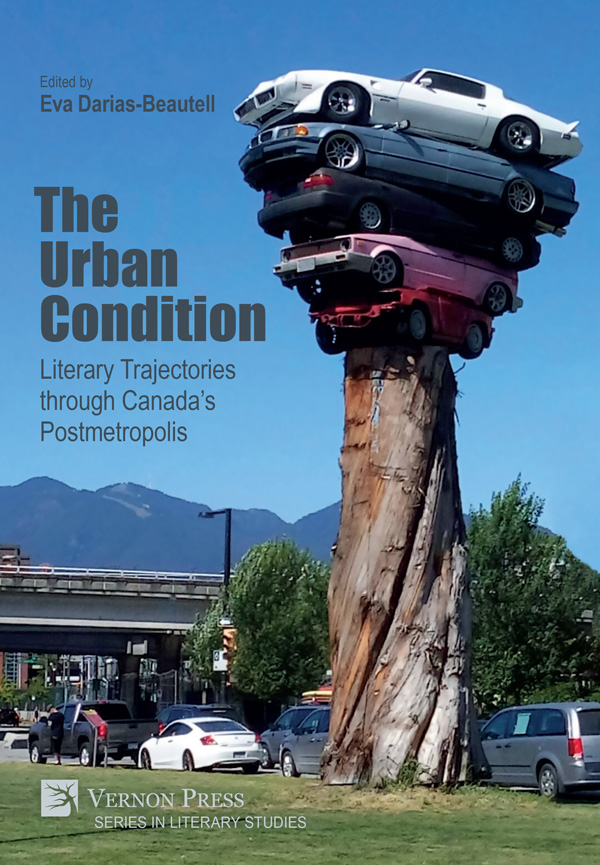
Eva Darias-Beautell (Ed.)
View more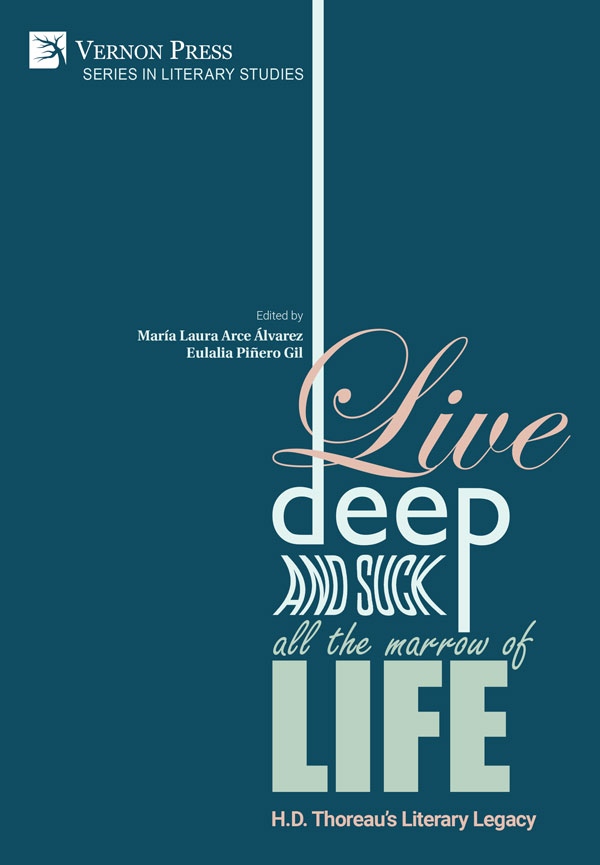
Eulalia Piñero Gil and María Laura Arce Álvarez (Eds.)
View more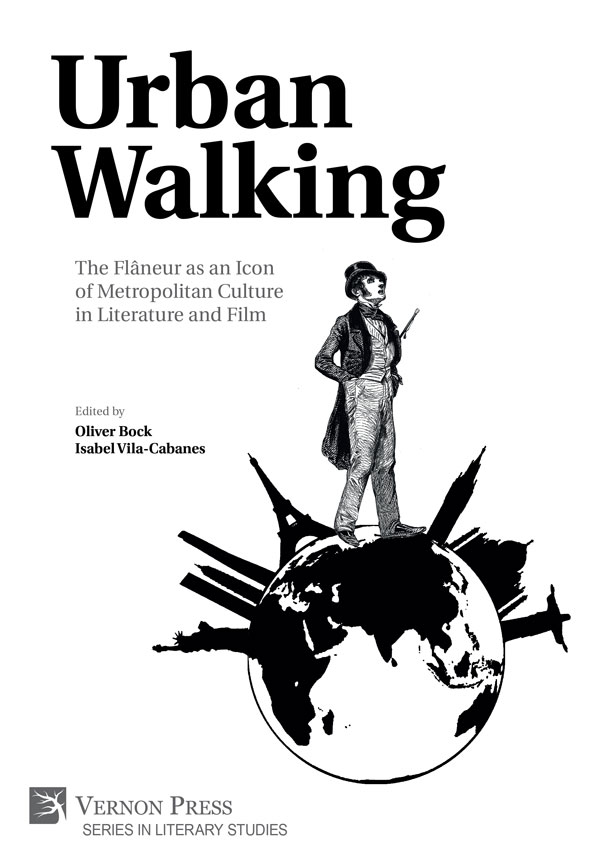
Oliver Bock and Isabel Vila-Cabanes (Eds.)
View more