Loading...
Please wait while we load the content...

Loading...
Please wait while we load the content...
Stay informed about our latest publications, calls for proposals, author news, events, and special announcements.
Join our community of scholars, librarians, authors, and readers and receive the latest updates from Vernon Press directly in your inbox.
Availability
Available through resellers
ISBN
9798261601210
Edition
1
Publication Date
August 18, 2026
Physical Size
Illustrations
3 B&W
Number of Pages
256
Currency
Quantity
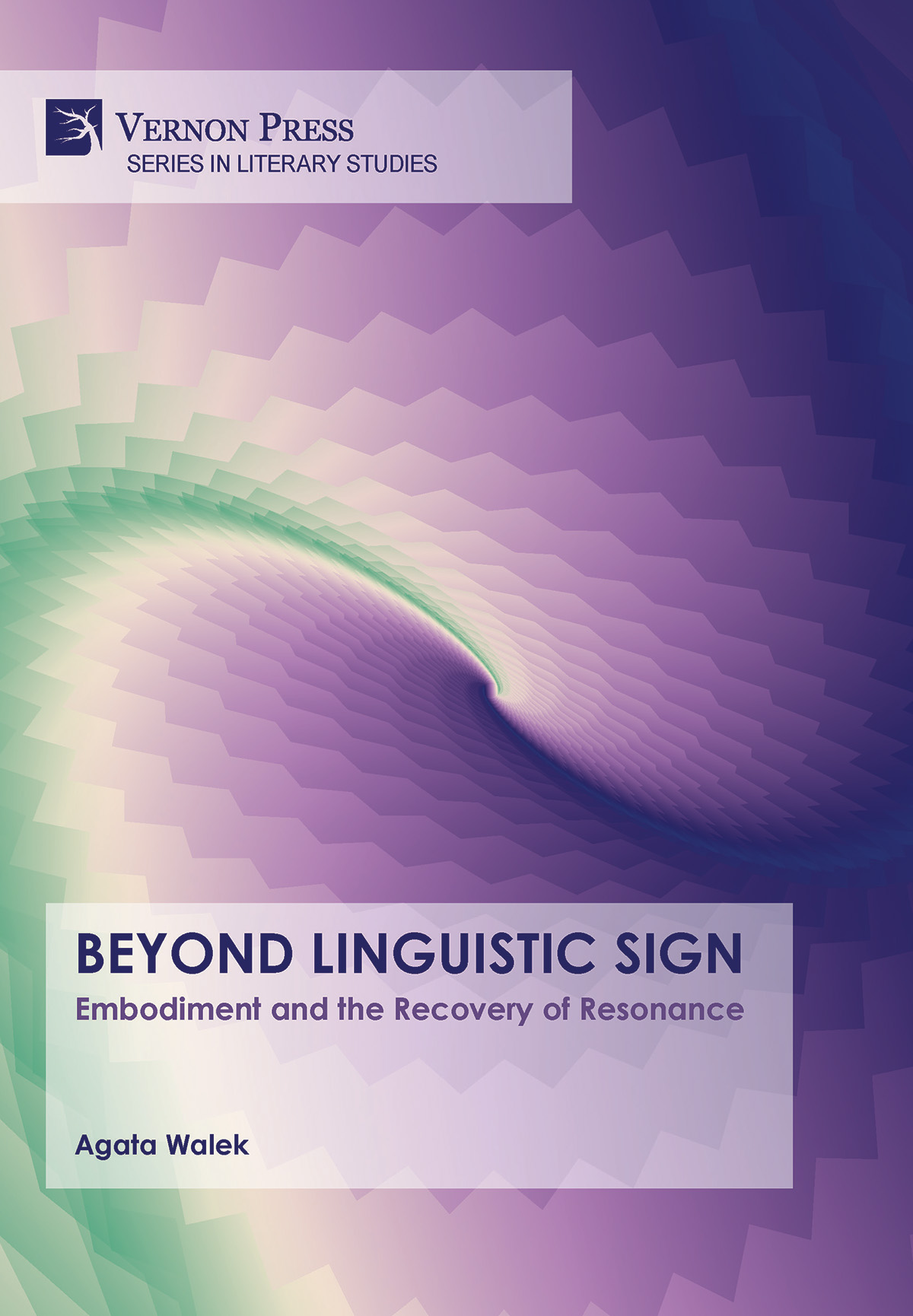
Blending phonosemantics, cognitive theory, and phenomenology, the monograph daringly and inventively pushes the linguistic boundaries to open new vistas into how sound and conceptual metaphor generate emotions and meanings in the intricate works of Mark Z. Danielewski and David Abram.
Prof. Michal Peprník
Department of English and American Studies
Faculty of Arts
Palacký University Olomouc, Czech Republic
Agata Walek seems to have written her book “Beyond Linguistic Sign: Embodiment and the Recovery of Resonance” out of an inner persuasion that goes far beyond any “academic professionalism”. Rather, it seems to be a product of an inner experience and persuasion that art “matters” (e.g. is primarily “material”) and touches us as readers (hence the embodiment). It can also be noted that she engages with theoretical works in a similar fashion, i.e. uses them as generators of thoughts and reactions rather than rigid methodological tools. [...]
Stressing the melic, musical qualities of language, as Walek does, brings us back to the way humans are grounded in the world / language. It is the experience that can probably be most intensively relived in a live music concert. But as Walek comprehensively shows, there are literary works that can make use of these qualities as well or to offer models of exactly this lived world experience.
And that is probably the second-strongest aspect of the book by Walek. She is capable of listening to how the artistic texts can think about themselves, their role and place in the world. And that they do it exclusively non-conceptually, using sounds or metaphors, stressing their own materiality or worldliness. By touching a book, for Walek, we are touching the world. And the world is touching us.
Dr. Miroslav Kotásek
Department of Czech Literature
Masaryk University, Czech Republic
Discover books that expand on the themes explored in this work—titles that engage with similar questions, intersecting disciplines, and complementary perspectives to deepen understanding and broaden the conversation.
Browse all titles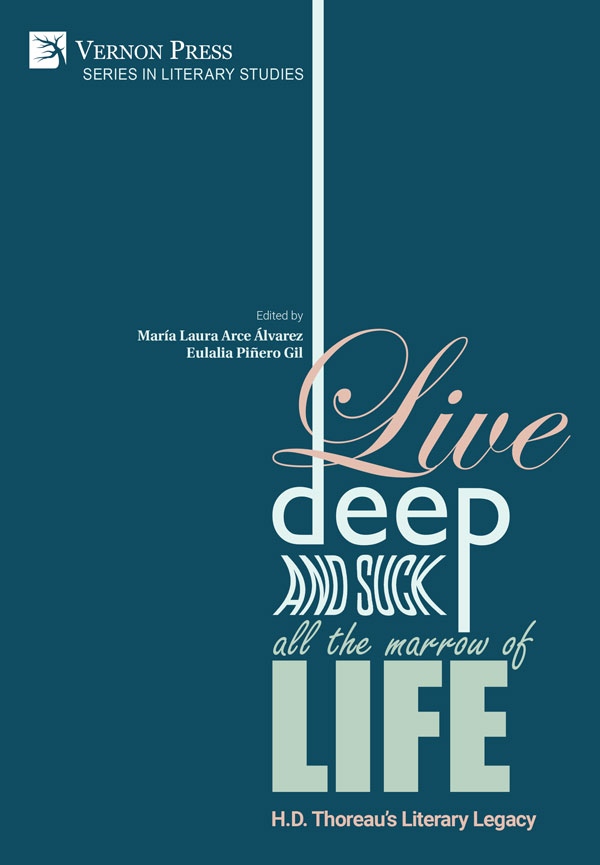
Eulalia Piñero Gil and María Laura Arce Álvarez (Eds.)
View more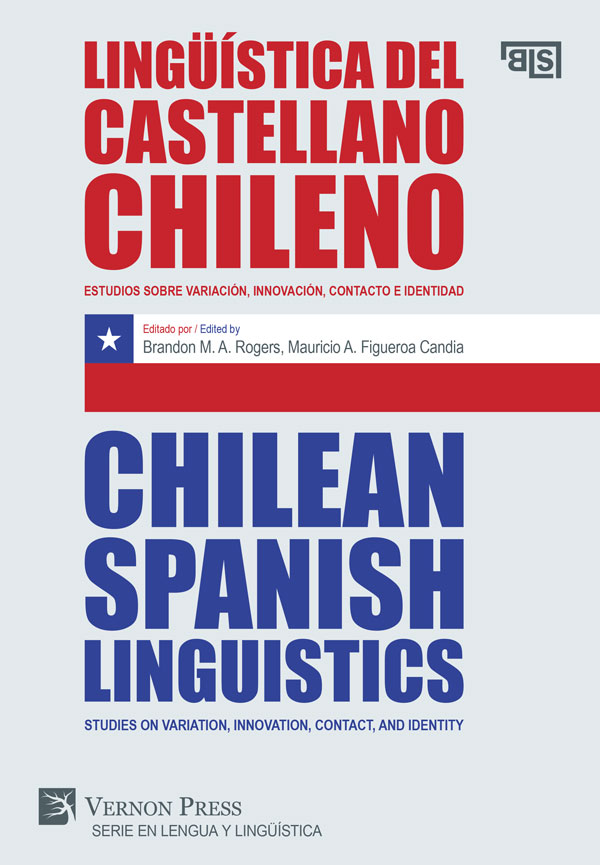
Brandon M. A. Rogers and Mauricio A. Figueroa Candia (Eds.)
View more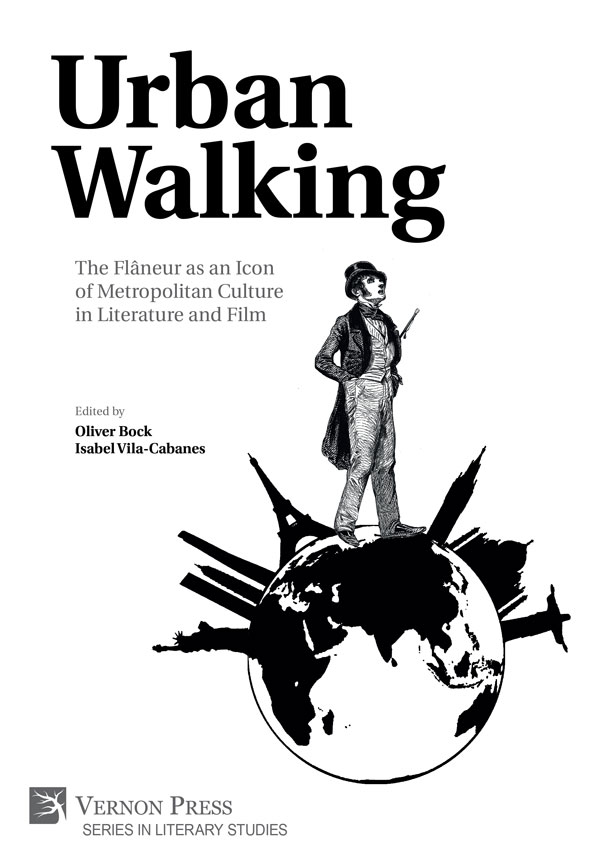
Oliver Bock and Isabel Vila-Cabanes (Eds.)
View more